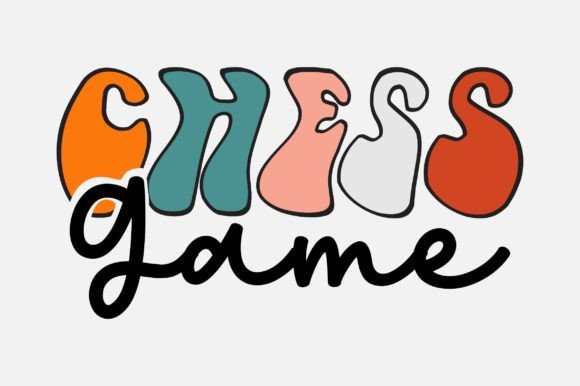
Chess Game SVG Graphics for Crafts and Content
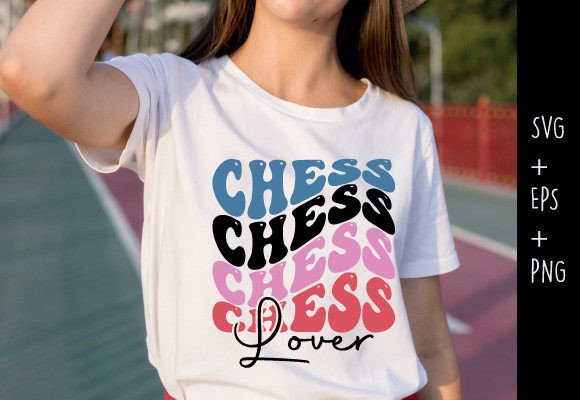
When I first opened the Chess Game Svg asset, I immediately saw its potential for editorial and content publishing work. This is not just a decorative file—it is a purposeful graphic design asset that brings a clear, strategic mood to any visual layout. As someone who builds and designs content websites daily, I look for design assets that do more than look pretty. They need to support visual hierarchy, reader trust, and the overall brand identity of a site. This set delivers on all fronts.
You will receive a digital download that includes a ZIP file with SVG, DXF, EPS, and PNG high-resolution files. That means you can use it across multiple tools and platforms without worrying about format compatibility. Whether you work in Canva, Adobe Illustrator, Affinity Designer, or even a simple photo editor, this asset is ready to go.
First Impression and Editorial Mood
The Chess Game Svg asset carries a clean, modern, and slightly intellectual aesthetic. It feels polished and deliberate—exactly the kind of visual that works well for content that wants to convey strategy, focus, depth, or thoughtful decision-making. The lines are crisp, the shapes are well-defined, and the overall composition feels balanced. This is not a playful or whimsical design. It is serious, professional, and artistic in a refined way.
For content creators who need to establish authority or a sense of expertise, this asset is a natural fit. It supports niches like productivity, business strategy, personal development, education, finance, leadership, and even lifestyle content that leans toward mindfulness or intentional living. The mood it creates is one of quiet confidence and intellectual engagement—qualities that help build reader trust and keep people on the page longer.
Real Publishing Workflow Integration
Let me walk you through how I would use this asset in a real content publishing workflow. Imagine you are a blogger preparing a series of articles on decision-making frameworks or strategic thinking. You need featured images, Pinterest pins, article headers, and maybe a downloadable digital guide. The Chess Game Svg becomes the visual anchor for all of that.
I start by dropping the SVG into a Canva template for a blog featured image. The high-resolution PNG works beautifully as a background element or a focal point. I pair it with a clean sans-serif font for the headline, and the contrast is strong. The asset does not compete with the text—it supports it. That is exactly what you want in editorial design. The visual hierarchy stays clear, and the reader’s eye goes where it should.
For Pinterest graphics, I use the asset as a subtle overlay or a side accent. The geometric nature of the chess pieces creates a natural frame for text overlays. The PNG file gives me enough resolution to scale it up without losing quality, which is critical for social media visuals that need to look sharp on both desktop and mobile feeds.
Where Chess Game Svg Shines in Content Publishing
This asset is versatile enough to work across many content formats. Here is where I find it most effective:
- Blog featured images – The asset creates a strong first impression and sets the tone for strategic or educational content.
- Pinterest pins – The clean lines and high contrast make it ideal for pin designs that need to stand out in a crowded feed.
- Article headers and website banners – Use it as a background element or a hero image accent to reinforce the article topic.
- Newsletter graphics – A subtle chess graphic in a newsletter header signals professionalism and thoughtfulness.
- Digital guides and lead magnets – The asset works well on cover pages and inside worksheets for strategy or planning content.
- eBook covers and printable design – The high-resolution PNG and SVG formats give you print-ready quality for digital products.
- Media kits and affiliate marketing visuals – A polished graphic asset like this adds credibility to your brand presentation.
- Social media posts and digital ads – The asset’s balanced composition works in square, vertical, and horizontal formats.
- Canva templates – Because it is an SVG, you can bring it into Canva and scale it infinitely without pixelation.
How This Asset Supports Content Performance
From a content marketing perspective, every visual decision affects performance. The Chess Game Svg helps in several measurable ways:
- Stronger first impression – A polished, professional graphic immediately signals quality to the reader.
- Clearer visual hierarchy – The asset’s balanced design does not distract from headlines or body text. It frames the content without overwhelming it.
- Better click-through potential – On Pinterest and social media, a well-designed graphic with strong contrast and clear subject matter gets more clicks.
- More consistent branding – Using the same asset across multiple content pieces creates a cohesive visual identity for your site or brand.
- Improved reader trust – Design assets that look intentional and high-quality make readers more likely to take your content seriously.
- Stronger category recognition – If you use the chess motif consistently for strategy-related content, readers will start associating that visual with that topic.
Where This Asset Works Best
Based on my testing, the Chess Game Svg performs exceptionally well in these contexts:
- Hero images – As a full-width background or a large focal element, it commands attention.
- Article thumbnails – The distinct shapes read well even at small sizes, which is important for category pages and archive views.
- Pinterest pins – The contrast and geometry make it a natural fit for vertical pin layouts.
- Blog graphics – In-body visuals that break up text and reinforce the topic.
- Editorial accents – Small decorative uses like pull quote borders or section dividers.
- Content upgrades – Lead magnets and checklists that relate to strategy or planning.
- Downloadable resources – Worksheets, planners, and printable design projects.
- Category visuals – Category page headers that need a consistent thematic element.
- Newsletter headers – A subtle chess graphic can become a signature visual for a regular newsletter segment.
- Social media previews – The asset works well for LinkedIn, Twitter, and Instagram posts that link back to your content.
Where to Use This Asset Carefully
No design asset is perfect for every situation. Here are some contexts where I would use the Chess Game Svg with caution:
- Small mobile thumbnails – The detail in the chess pieces may get lost at very small sizes. Test it on mobile before committing.
- Text-heavy blog images – If you need to overlay a lot of text, the asset may compete for attention. Use it as a subtle background rather than a focal point.
- Low-contrast backgrounds – The asset works best on light or dark backgrounds. On mid-tone colors, the contrast may drop and reduce readability.
- Busy layouts – If your page already has multiple visual elements, adding a detailed graphic like this could create visual clutter.
- Serious professional niches – In fields like law or finance, a chess motif can feel too metaphorical or informal. Consider your audience.
- Corporate content – Some corporate branding guidelines may prefer more abstract or minimal visuals. Test the asset against your brand guidelines.
- Websites with a very minimal visual system – If your site relies on ultra-clean, sparse design, a detailed graphic may feel out of place.
Practical Publisher Notes
Before you use this asset in your own content publishing workflow, here are a few things I recommend checking:
- Test it on desktop and mobile screens – The SVG scales perfectly, but the PNG may look different on high-DPI displays. Always preview.
- Check how it looks as a thumbnail – Resize the asset to 200px wide and see if the shapes remain recognizable. This is especially important for category pages and archive views.
- Preview it inside a real blog layout – Drop the asset into a mockup of your actual blog post template. See how it interacts with your headline, body text, and sidebar.
- Test it with headline text – Place the asset behind or beside your headline. Make sure the text remains readable and the visual hierarchy stays intact.
- Check contrast and readability – The asset looks great on white or black backgrounds. On colored backgrounds, adjust opacity or use a semi-transparent overlay.
- Try it in black and white – Grayscale testing reveals whether the asset relies on color for its impact. In this case, the black and white version is just as strong.
- Place it beside different font styles – I tested this asset with serif, sans-serif, script, handwritten, and display font styles. It pairs best with clean sans-serif fonts and modern serifs. Script and handwritten fonts may clash with the geometric precision of the chess pieces.
- Review file size for web performance – The SVG and PNG files are well-optimized, but always compress images before uploading to your site. Use tools like TinyPNG or Squoosh to keep file sizes small.
- Compress images properly – For the PNG files, aim for a balance between quality and file size. A 1200px wide PNG at 72 DPI with moderate compression works well for most blog layouts.
- Confirm commercial licensing – Before using this asset on monetized websites, affiliate pages, or paid content products, verify that the commercial license covers your use case. This is a critical step that many content creators overlook.
Final Thoughts on Chess Game Svg for Real Publishing Work
The Chess Game Svg is a well-crafted graphic design asset that fits naturally into a content marketing and editorial design workflow. It is not a one-size-fits-all solution, but for the right niches—strategy, productivity, education, business, and personal development—it adds real value. The file formats are practical, the resolution is strong, and the visual style is both modern and timeless.
If you are a blogger, publisher, content creator, website owner, or digital marketer looking for a design asset that supports your content without overwhelming it, this is worth adding to your library. It works across blog graphics, social media graphics, Pinterest pins, newsletter graphics, digital products, and printable design projects. The key is to test it in your own layout, adjust for contrast and scale, and use it consistently to build a stronger brand identity.
In my experience, the best design assets are the ones that disappear into the content—they support the message without shouting for attention. The Chess Game Svg does exactly that. It is a quiet, confident visual that earns its place in any publisher’s toolkit.