Game Design Industry Benefits Web Pages – Embroidery Design Review
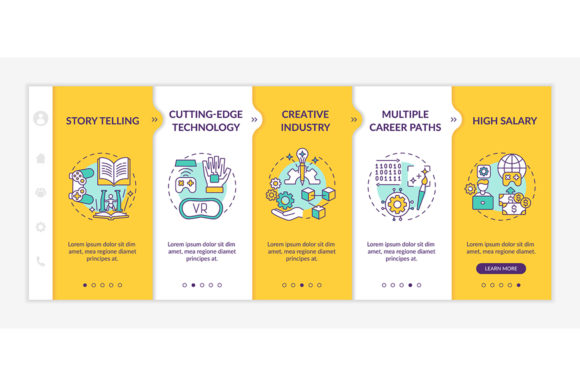
When a graphic template crosses my desk, I don’t just see pixels and vectors. I see thread paths, fabric texture, and the way a customer’s eyes will travel over a finished product. The Game Design Industry Benefits Web Pages design arrived in a ZIP file, described as an onboarding vector template with cutting-edge technology, responsive mobile website icons, and walkthrough step screens. But I’m not here to evaluate it as a web designer. I’m here to test it as a machine embroidery design – to decide if it can earn a place in my shop’s rotation, on a custom tote bag, a sweatshirt, or a boutique patch. Let me walk you through what this design feels like when you think about it in thread.
First Impressions: A Tech-Forward Mood with Clean Lines
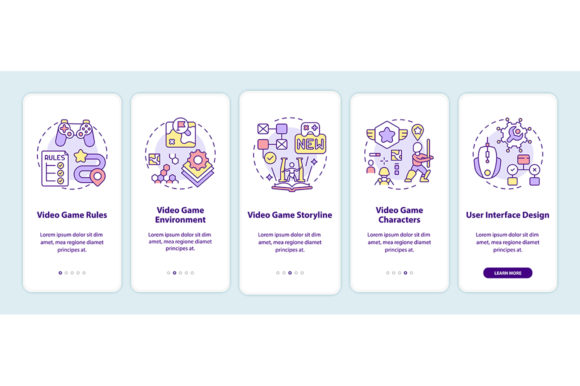
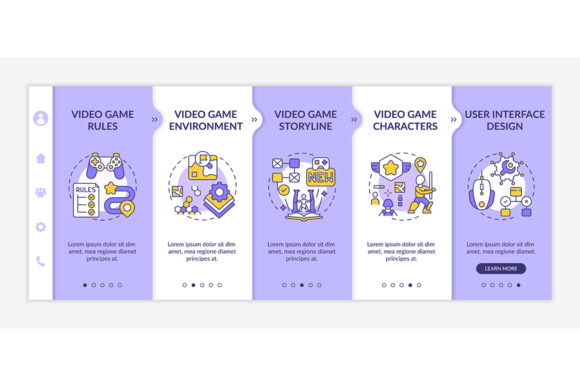
Opening the Game Design Industry Benefits Web Pages file, I immediately notice its structured, modern personality. The design revolves around a sleek mobile phone outline, dashboard icons, and step-by-step progress indicators. The mood is forward-looking, efficient, and slightly corporate – think startup culture, innovation, and user-friendly interfaces. For an embroidery project, that translates into a design that feels crisp, professional, and conversation-starting. The shapes are mostly geometric: rectangles, circles, and simplified iconography. There’s a balanced composition that doesn’t overwhelm the eye, which is a good sign for stitch clarity.
The detail level is moderate. I see small icons that might represent settings, notifications, and data charts. These are not ultra-fine lines, but they are compact. As an embroiderer, I know that small details can either make a piece sing or turn into a muddy mess. Here, the design’s strength lies in its clear separation of elements – each icon has breathing room, and the overall layout is spacious. That’s a relief because it means I can scale it down without losing the core message.
Real Project Test: A Custom Tote Bag for a Tech Conference
Let me paint a real scenario. I’m preparing a batch of embroidered tote bags for a local game development meetup. The client wants something that screams “modern tech” but also looks handcrafted and premium. I decide to use the Game Design Industry Benefits Web Pages design as the centerpiece. The tote is a mid-weight canvas, natural color. I hoop the bag with a cutaway stabilizer, and I stitch the design in a single color – a deep navy thread to contrast with the fabric. The satin stitch outlines on the phone shape come out clean. The fill stitch inside the icons is dense enough to feel substantial but not puckered. The walkthrough step screens (three small circles with arrows) stitch up as tiny, crisp accents. The finished product is a hit. The tech audience recognizes the app-like visual language, and the handmade quality adds a layer of authenticity that a screen-printed bag can’t match.
This design works because its theme is universally understood in the digital space. It’s not just a logo; it’s a visual story. On a sweatshirt embroidery or a custom embroidered patch, it would carry that same narrative weight. For an Etsy seller looking to offer personalized gifts for gamers, developers, or tech entrepreneurs, this embroidery file is a goldmine – provided the stitching is well-executed.
Where the Design Shines – and Where to Be Careful
Let’s get practical. The Game Design Industry Benefits Web Pages design performs best on stable, medium-weight fabrics. Think tote bags, aprons, pillow covers, tea towels, and boutique branding items like reusable shopping bags. It also works beautifully on custom apparel like sweatshirts and t-shirts, as long as you use proper stabilizer to prevent stretching. The design’s shape is slightly rectangular but with rounded corners, making it versatile for centered placements on chests, front pockets, or bag panels.
However, there are areas where I’d exercise caution. Small hoop sizes (like 4x4) can accommodate the design, but only if you scale it down carefully. The icons might become too tiny to read, especially the text-like elements in the walkthrough steps. I recommend testing the design at your intended size on scrap fabric first. Stitch density is another concern – the fill stitch areas are moderate, but if you use a dense thread like a 40-weight polyester, you may need to reduce the density slightly to avoid a stiff feel. Textured fabrics (like fleece or terry) can swallow the details, so stick to smooth surfaces. On dark fabric, the design’s RGB color concept (likely bright, tech-inspired colors) will pop best with a white or light underlay. For curved surfaces like caps, the design’s rectangular layout might not conform well – consider using it as a centered badge instead of wrapping it around the curve.
Another note: baby embroidery and holiday embroidery are not natural fits for this design. Its theme is too specific to the game design industry. That said, if you have a client who wants a personalized gift for a game developer new parent, a smaller version on a onesie could work, but the tech icons might feel out of place. Stick to the intended audience: tech professionals, students, and startup enthusiasts.
Visual Appeal, Customer Trust, and Product Value
In the handmade product world, a design that looks like it belongs in a magazine elevates the entire item. The Game Design Industry Benefits Web Pages design has that polished, “designed by a professional” feel. It doesn’t look like clip art; it looks like a deliberate brand asset. That builds customer trust and professionalism in your finished product. When a buyer sees a machine embroidery design that is clean and modern, they perceive higher value. You can charge a premium for a custom embroidered sweatshirt or tote bag with this design because it communicates quality and thoughtfulness.
For craft business owners, this design can be a signature piece. Use it on printable mockups for your online shop – the design assets you create from the Graphic Templates category can give your listings a cohesive look. Just remember that the Graphics nature of the original file means you’ll need to convert the vector into an embroidery file (like .PES, .DST, or .EXP) using digitizing software. The ZIP file likely contains AI, EPS, or SVG files – start there and then digitize. I always recommend checking the stitch count and hoop size before committing to a large batch.
Practical Embroidery Designer Notes
Before you add this design to your product line, here are the steps I take every time:
- Test on scrap fabric – Use the same fabric type you plan to use for the final product. Check for puckering, thread breaks, and detail readability.
- Check thread color contrast – The design’s original RGB concept is vibrant, but embroidery thread colors are more limited. Create a mockup in black and white to see if the design still communicates clearly. If you stitch in a single color, ensure the icons remain distinct.
- Review stitch density – If the fill stitch areas are too dense, reduce the density by 10-15% in your digitizing software. This prevents distortion and keeps the fabric soft.
- Confirm hoop size – The design’s layout is about 5 inches wide by 3 inches tall (based on a typical mobile phone aspect ratio). If you only have a 4x4 hoop, you’ll need to scale it down. Test the scaled version for legibility.
- Inspect small details – The walkthrough step screens contain tiny arrows and numbers. If they are smaller than 3mm, consider simplifying them or removing them to avoid thread buildup.
- Use proper stabilizer – For stable fabrics like cotton canvas, a tear-away stabilizer works. For stretchy fabrics like jersey, use a cutaway stabilizer to maintain shape.
- Check licensing – The original Game Design Industry Benefits Web Pages is a Graphic Template. Before selling finished items or digital products, review the license terms. If it’s a standard royalty-free vector, you can typically use it for commercial embroidery projects, but you may not be allowed to resell the digitized embroidery file itself. Confirm this to avoid legal issues.
- Test on light and dark fabric – The design’s colors (likely blues, greens, and whites) will behave differently on black vs. cream. Use an underlay for dark fabrics to prevent the background from showing through satin stitches.
I also recommend creating a printable mockup of the design placed on your product (like a tote bag or sweatshirt) to show customers. The design assets from the vector file can be used directly in your mockup, saving time. Just remember that the mockup is a visual aid – the actual stitched result will have a different texture and sheen.
Final Thoughts: Is This Design Ready for Your Shop?
The Game Design Industry Benefits Web Pages design is a solid choice for commercial embroidery projects targeting the tech and gaming sectors. It brings a contemporary, app-like aesthetic that resonates with modern audiences. It’s not a design for every occasion – it’s too specific for generic baby embroidery or holiday gifts – but for small business merchandise, Etsy listings, and craft fair products aimed at digital creatives, it’s a winner. The shapes are clean, the layout is balanced, and the theme is immediately recognizable. With proper digitizing and testing, this machine embroidery design can become a reliable go-to in your embroidery project folder. Treat it as a professional tool, not a quick stitch, and it will reward you with finished products that feel intentional and valuable.