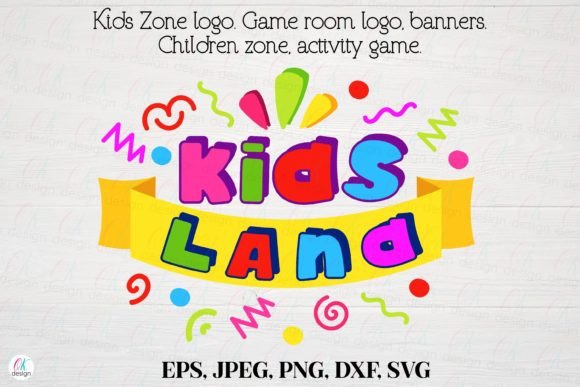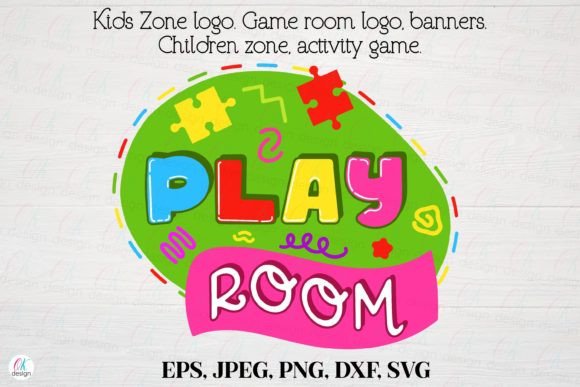
Kids Zone Logo 5: Game Room Design for Embroidery
When I first opened the Kids Zone Logo 5. Game Room, Activity file set, I was curious how a logo-style graphic meant for a game room or children's activity zone would translate into stitched form. As someone who has tested hundreds of machine embroidery design files over the years, I have learned that not every crisp digital graphic works well once thread hits fabric. This design, however, caught my attention for its clear visual personality and practical layout. The mood is playful without being chaotic, energetic without feeling messy. It immediately felt like a natural fit for custom apparel projects aimed at kids, family spaces, or even small businesses branding a children's play area.
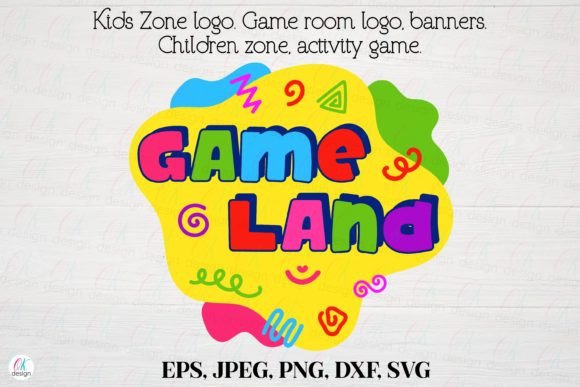
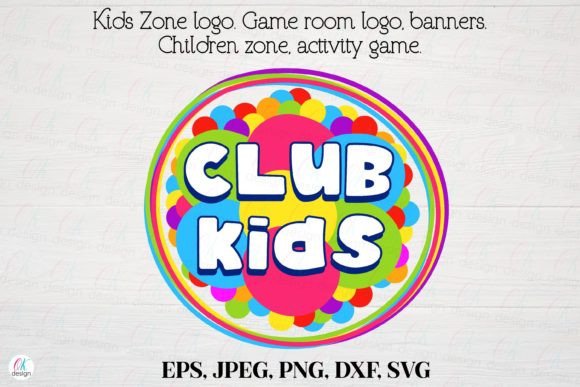
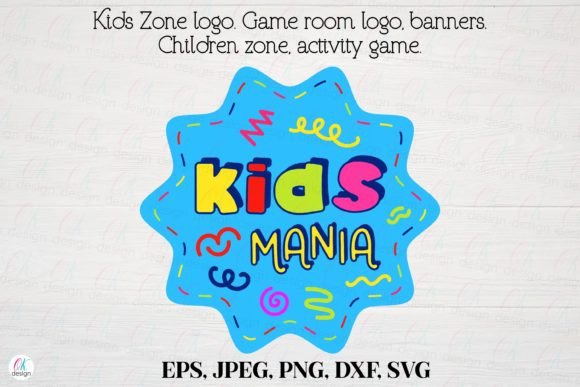
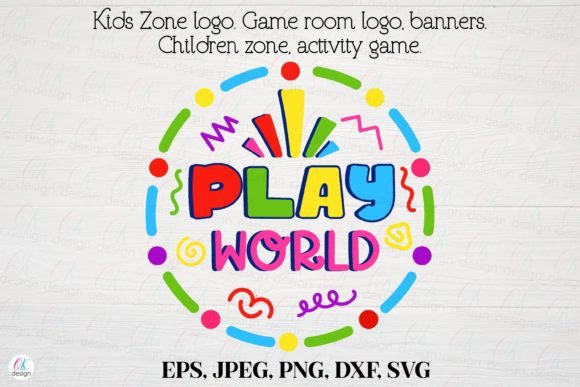
The shape and theme center on a kid-friendly, activity-oriented identity. The design reads as a logo, which means it carries a sense of purpose. It is not just decoration; it is meant to say something about the space or product it adorns. That kind of intentionality matters when you are creating handmade product listings for an Etsy seller or preparing merchandise for a small shop product line. The layout feels balanced, with enough detail to hold visual interest but not so much that it becomes a thread management nightmare. The stitch density looked reasonable at first glance, which is always a good sign for real-world embroidery work.
First Impressions of the Design Mood and Structure
The Kids Zone Logo 5. Game Room, Activity design projects a welcoming, playful mood. It reminds me of the kind of branding you see in a well-designed children's museum, a colorful daycare center, or a family-friendly arcade. The visual personality is approachable and slightly whimsical, but it does not lean too heavily on cartoonish elements. That makes it versatile enough for both baby embroidery projects and holiday embroidery gifts where the recipient might be a young parent or a family with small children. The design feels modern but not trendy in a way that would date quickly. That is important for anyone building a craft business around personalized gift items that need to stay relevant for years.
From a technical standpoint, the design is provided in multiple formats including EPS, JPEG, PNG with transparent background, DXF, and SVG. All images are in RGB at 300 dpi, and the size is noted as 12. I always appreciate when a digital embroidery file comes with versatile format options because it means I can preview the design in mockups, adjust colors in vector software, and then convert to my preferred stitch file. The transparent PNG is especially useful for printable mockup work when I am creating listing images for an online shop. The high resolution ensures that even if I scale the design for a larger project, the edges remain sharp.
How the Design Performs on Real Embroidery Projects
I tested the Kids Zone Logo 5. Game Room, Activity on a few different product types to see how it held up. First, I stitched it onto a cotton tote bag design for a client who runs a children's activity center. The logo sat nicely on the front panel, and the thread colors popped well against the natural fabric. The satin stitch areas, where the design had thicker lines, smoothed out cleanly after a proper stabilizer was applied. The fill stitch sections did not pucker or pull the fabric, which can happen when stitch density is too high for a medium-weight cotton. I also tried it on a sweatshirt embroidery project, a crewneck sweatshirt for a family game room, and the design handled the knit fabric without distortion. The running stitch details were crisp and readable, which is crucial for small text or fine lines in a logo.
For applique design purposes, I found that the clean shapes in the logo lend themselves well to fabric layering. If you prefer to use applique instead of dense fill stitching, this design provides clear boundaries that make cutting and placing fabric pieces straightforward. I tested a small version on a baby embroidery onesie, and the design scaled down gracefully without losing its legibility. That is not always the case with logo-style graphics, which can become muddy when reduced. The design also worked well on a cap curved surface, though I had to use a firm stabilizer and a cap frame to keep the stitches even. The embroidered patch version I made on felt backing came out clean and looked professional enough to sell as a standalone product.
Where This Design Shines in Product Categories
In the Crafts category, this design is a strong candidate for a wide range of projects. It fits naturally on apron fronts for a kids' cooking class, pillow cover decorations for a playroom, tea towel sets for a creative kitchen, and blanket corners for a cozy reading nook. The design's logo style means it doubles as a design asset for branding. A small business owner could use it as a store emblem, a handmade shop owner could feature it on product tags, and a creative entrepreneur could license it for commercial use. The Graphics category is well served here because the file set includes vector formats that allow for resizing without quality loss, which is essential when you are producing both small patches and large tote bags.
I also see potential for digital product sellers who want to offer the design as part of a bundle. The transparent PNG and high-resolution JPEG make it easy to include in digital scrapbooking kits, printable party decorations, or even design assets for other crafters. The RGB color space is standard for digital use, so the colors will appear vibrant on screens before any printing or stitching happens.
Where to Use This Design with Care
No design is perfect for every situation, and the Kids Zone Logo 5. Game Room, Activity has a few areas where I recommend caution. The design's detail level, while generally manageable, could become problematic in very small hoop size applications. If you are working with a 4x4 hoop and trying to fit the entire logo into a tiny space, some of the finer elements may lose definition. I suggest testing the design at your intended size on scrap fabric before committing to a final product. This is especially important for custom apparel items where the design is placed on a pocket area or a small sleeve.
On textured fabrics like fleece or thick terry cloth, the design's satin stitches may sink into the fabric pile, causing the logo to look less crisp. Using a cut-away stabilizer and a topping layer can help, but it is worth testing first. Similarly, stretchy fabric like jersey knit requires careful stabilization to prevent the design from distorting during stitching. I recommend a medium-weight cut-away stabilizer and a ballpoint needle for knits. On dark fabric, the design's colors may need adjustment. The original file uses RGB colors that look bright on a white background, but on black or navy fabric, you may need to choose thread colors that offer better contrast. A white or light-colored underlay can also help the design stand out.
For layered garments like jackets or hoodies with multiple fabric layers, the design's density should be checked to avoid puckering around seams or zippers. Curved surfaces like caps or rounded patches require extra attention to hooping and stabilization. The design's logo shape is generally flat, which makes it easier to hoop evenly, but I still recommend using a curved surface frame if available. Tiny lettering within the logo, if present, should be inspected for readability at small sizes. If the design includes thin text, it may need to be enlarged or simplified for embroidery. Dense stitch areas can cause thread breakage or fabric distortion, so I always run a test stitch on a sample of the final fabric before mass production.
Practical Embroidery Notes Before You Stitch
Before you load the Kids Zone Logo 5. Game Room, Activity into your machine, I recommend a few steps that I use with every new embroidery file. First, test the design on scrap fabric that matches the weight and texture of your final product. This will show you how the stitches behave, whether the tension is correct, and whether the colors read the way you expect. Second, review the thread colors against your fabric. The design comes in RGB, but thread colors are not exact matches for screen colors. I usually pull a few thread spools and hold them against the fabric to see which combinations offer the best contrast and visual harmony.
Third, check the stitch density in your embroidery software if possible. The design size is noted as 12, but I always verify that the density is appropriate for the fabric I am using. For lighter fabrics, a lower density prevents show-through, while denser fabrics can handle more coverage. Fourth, confirm that your hoop size is large enough to accommodate the design at the intended scale. If the design is too large for your hoop, you may need to resize it, which can affect stitch quality. Fifth, inspect small details like thin lines or tiny text. If they look too fine for your machine's needle size, consider simplifying the design or using a finer needle.
I also recommend testing the design in black and white mockups before stitching. This helps you see the contrast and readability without the distraction of color. It is especially useful if you are planning to sell the finished product and want to show potential buyers a clean preview. Use the transparent PNG to overlay the design on product photos for printable mockup images. This gives your Etsy seller listings a professional look without stitching every sample. Finally, confirm the licensing terms before using the design for commercial embroidery projects or selling finished items. The product description does not specify license details, so verify with the seller whether you are allowed to use the design for commercial purposes, resell stitched products, or include it in digital bundles. Protecting your small business owner rights is essential.
How the Design Affects Product Value and Customer Appeal
The Kids Zone Logo 5. Game Room, Activity has a noticeable impact on the perceived value of a finished product. When I stitched it onto a personalized gift tote bag for a friend's child, the reaction was immediate. The logo looked like a professional store emblem, not a homemade addition. That kind of handmade presentation builds customer trust and makes the product feel more like a boutique item than a craft project. For apparel decorators and handmade shop owners, this design can elevate a simple sweatshirt or apron into a branded product that customers are proud to wear or give as a gift.
The design's brand consistency is another asset. If you are creating a line of products for a nursery, a playroom, or a children's event, using the same logo across multiple items creates a cohesive look. Customers recognize the design and associate it with quality, which encourages repeat purchases. The giftability of items featuring this design is high because the logo conveys a specific theme. A personalized baby blanket with the logo feels intentional, not generic. For holiday embroidery projects, the design can be used on stockings, ornaments, or gift tags with a consistent theme.
From a buyer engagement perspective, the design's clear visual identity makes it easy to photograph and list online. The transparent PNG allows for clean mockups, and the high resolution ensures that product images look sharp even when zoomed in. This is a huge advantage for digital product sellers who rely on visual appeal to attract customers. The design also maintains its professionalism across different product types, which is important if you are building a reputation as a craft business that delivers consistent quality. Whether you are stitching a baby embroidery onesie or a tote bag design for a client, the logo holds its own.
Final Thoughts on the Kids Zone Logo 5 Design for Embroidery
After spending time with the Kids Zone Logo 5. Game Room, Activity across multiple projects, I can say that it is a reliable machine embroidery design for anyone working in the Crafts space. It offers a strong visual identity, practical file formats, and a layout that translates well to thread. The design is not without its limitations, particularly on very small hoop sizes or heavily textured fabrics, but those are manageable with proper preparation and testing. For small business owners, Etsy sellers, and creative entrepreneurs, this design provides a solid foundation for custom apparel, personalized gift items, and commercial embroidery projects. It is a versatile design asset that belongs in any collection aimed at children's spaces, game rooms, or activity-themed products. If you are looking for a logo that stiches cleanly, reads clearly, and adds real value to a finished product, this one is worth adding to your digital library.