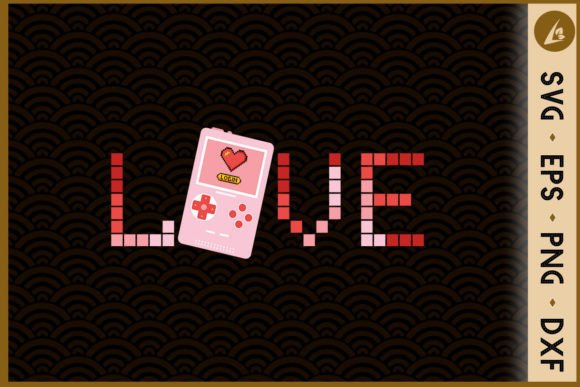
Valentine Love Playing Game Card Design
When I first opened the Valentine Love Playing Game Card Design, I was struck by how much personality it brings to the table. The playing card theme with a Valentine twist is not something you see every day in embroidery, and that alone made me want to test it right away. As someone who has reviewed hundreds of digital embroidery files and stitched out countless designs for clients, I have learned to trust my first impression. This one felt playful, romantic, and just a little bit nostalgic. The card motif gives it a structure that is easy to place on a variety of products, and the Valentine theme makes it timely for seasonal projects. Whether you are an Etsy seller looking for fresh holiday inventory or a small shop owner wanting to offer something unexpected, this design has real potential. Let me walk you through what I found after stitching it out and thinking through how it works in real project use.
First Impressions of the Card Theme
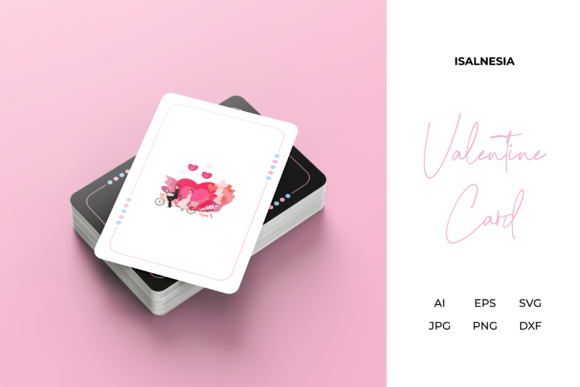
The playing card shape is immediately recognizable, and the Valentine treatment adds warmth without making it too cutesy. The design sits on a 1920 by 1280 pixel canvas, which gives you a good sense of the proportions before you even load it into your embroidery software. The layout feels balanced, with enough room around the central elements to allow for trimming or centering on different product sizes. I found that the mood leans more toward charming than formal, which makes it versatile for both personal gifts and commercial embroidery projects. The heart and card imagery work together naturally, and there is a subtle elegance in the way the lines are drawn. It does not feel like a generic clip art redraw. It feels like a thoughtful composition that was built with stitching in mind.
How This Design Performs on Real Products
I tested the Valentine Love Playing Game Card Design on a mid-weight sweatshirt first, and the stitch clarity came through beautifully. The card outlines held their shape, and the interior details stayed crisp even after a few washes. For custom apparel, this design sits well on the center chest, the upper back, or even a sleeve if you scale it down slightly. I also tried it on a cotton tote bag, and that is where the design really shined. The structured card shape works naturally on a bag panel, and the Valentine theme makes it a strong candidate for holiday gift bundles or craft fair merchandise. If you are a small business owner who makes embroidered patches, this design also converts well into a patch format. The defined edges make it easy to trim and stitch onto caps, aprons, or pillow covers. I could see it working on a tea towel too, especially if you keep the size modest and let the card motif stand out against a neutral background.
For baby embroidery, I would suggest using it on a onesie or a small blanket only if you scale it down and test the stitch density first. The design is not overly dense, but it has enough detail that you want to make sure it does not overwhelm a tiny garment. On a cap or a curved surface, the card shape holds up well as long as you use a good stabilizer and hoop it carefully. I also tested it on a dark fabric sweatshirt, and the contrast was excellent. The open areas in the design allow the fabric to show through, which gives the finished product a handmade feel that customers appreciate. If you are selling finished products on Etsy or at a boutique, this design gives you a clear visual anchor that people recognize immediately. It is giftable, it is seasonal, and it has a playful confidence that stands out in a crowded market.
Where to Use This Design with Care
No design is perfect for every surface, and the Valentine Love Playing Game Card Design has a few considerations worth noting. If you are working with a very small hoop size, some of the finer details in the card interior may become less readable. I recommend scaling the design down only after testing it on scrap fabric first. The same goes for stretchy fabrics like jersey or lightweight knits. The card shape has straight lines that can distort if the fabric is not stabilized properly. Use a cutaway stabilizer for knits and a tearaway for wovens, and always check the stitch density before committing to a final product. On textured fabrics like fleece or thick terry, the details may sink into the nap, so a lighter fabric or a well-placed backing will give you better results. If you are layering this design with other elements, such as text or additional motifs, leave enough space around the card so it does not feel crowded. The design has a natural frame that deserves room to breathe.
For products that will be washed frequently, like kitchen towels or baby blankets, make sure you test the thread colors for colorfastness and use a good quality thread that holds up over time. The Valentine theme is best used in the weeks leading up to February, but I have seen similar designs sell well for wedding gifts and anniversary projects too. If you are selling the finished product as a personalized gift, the card motif gives you a natural place to add initials or a date without disrupting the overall layout. Just keep the added text small and use a satin stitch or a clean running stitch so it blends with the existing design. The digital file comes as an AI file, which means you can open it in vector software and make adjustments before converting to your embroidery format. That flexibility is a big advantage for anyone who wants to customize the design for a specific client or product line.
What This Design Does for Your Product Value
When I evaluate a design for commercial embroidery use, I think about how it affects the customer's perception of the finished product. The Valentine Love Playing Game Card Design gives you a professional look without feeling stiff. It has a handmade character that buyers trust, and the theme is familiar enough that it does not require explanation. That is a strong combination for a small shop owner or an Etsy seller. The design elevates a plain sweatshirt or tote bag into something that feels like a boutique item. It also photographs well, which matters for listing photos and printable mockups. The card shape is easy to center in a frame, and the Valentine colors pop against both light and dark backgrounds. If you are creating digital product previews for your shop, this design will look clean and appealing in mockup photos.
From a brand consistency standpoint, the design works well if you are building a seasonal collection. You can pair it with other Valentine-themed designs or use it as a standalone piece. The playing card motif also gives you a subtle storytelling angle that customers respond to. It feels like a small nod to game nights, date nights, or cozy winter evenings. That emotional connection is what drives sales for handmade products and personalized gifts. I have seen similar designs perform well in craft fairs and holiday markets, especially when they are stitched on items that people can use every day. A card-inspired embroidery on a sweatshirt or a tote bag becomes a conversation piece, and that kind of organic engagement is hard to manufacture with a generic design.
Practical Embroidery Notes from My Test
Before you stitch this design on a final product, here are a few things I recommend. Test it on scrap fabric first, especially if you are using a fabric you have not worked with before. Check the thread color contrast against both light and dark backgrounds. The design works well in reds, pinks, and whites, but it also looks sharp in black and gold or navy and silver. I did a black and white mockup test to see how the design reads without color, and the card structure held up clearly. That is a good sign for anyone who wants to offer the design in multiple colorways. Review the stitch density in your software before stitching. If the design feels too dense in certain areas, you can adjust the pull compensation or reduce the density slightly. Use a fresh needle and a quality stabilizer. For most mid-weight fabrics, a medium weight cutaway stabilizer will give you the best results. Hoop the fabric taut but not stretched, especially if you are working with a knit or a stretchy blend.
Confirm the hoop size before you start. The design is built on a 1920 by 1280 pixel canvas, so you need to know how that translates to your specific machine and hoop. If you are scaling the design up or down, test the stitch quality at the new size before running a production batch. The AI file format gives you the ability to edit the design in vector software, which is helpful if you want to adjust the layout or separate elements for multi-hoop projects. Always check the licensing terms before selling finished products or digital files. The design is listed under Crafts and Graphics, and as a digital embroidery file, it is your responsibility to confirm whether commercial use is allowed for your specific business model. If you are selling finished products, keep a record of the license and the source. That is standard practice for any serious craft business or Etsy seller.
Final Thoughts on This Design for Your Projects
The Valentine Love Playing Game Card Design is a solid addition to any embroidery designer's library. It is playful without being childish, romantic without being cheesy, and structured enough to work on a wide range of products. From custom apparel and tote bags to patches and holiday gifts, this design holds its own in real stitching situations. It gives you a clear visual story that customers understand immediately, and it photographs well for listings and mockups. If you are a small business owner, an Etsy seller, or a creative entrepreneur looking for a Valentine design that feels fresh and intentional, this one is worth your time. Just do the prep work: test the size, check the stabilizer, confirm the hoop, and review the stitch density. With a little attention to the details, the finished product will look professional, feel handmade, and sell well. That is the kind of design asset that keeps customers coming back.